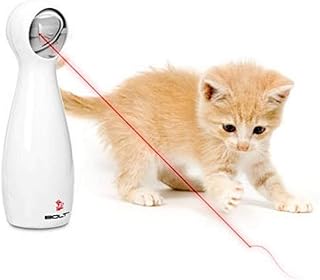
Mochi has approximately four modes: eating, staring at something only she can see, sprinting down the hallway at 3am, and sleeping. She's in mode four for the vast majority of her waking hours, which is confusing because "sleeping" and "waking" seem like they shouldn't be able to coexist. And yet.
If you've spent any time watching your cat sleep, you've probably had the fleeting thought: is this normal? Is something wrong? Should they be doing more? The answer is almost certainly no, nothing is wrong — but the biology behind it is genuinely interesting, and the exceptions are worth knowing.
How much do cats actually sleep?
The number you hear most often is 12-16 hours, but that's a bit of an average that flattens a lot of individual variation. The real spread is wider: a significant portion of cats sleep more than 18 hours a day, and some researchers have clocked cats snoozing for up to 20 hours in a 24-hour period. Kittens and senior cats are on the higher end — newborns can sleep up to 90% of the day, and cats over 10 or so often push well past 18 hours as their energy reserves decline.
For reference, humans average around 7-9 hours. Lions, in the wild, sleep 16-20 hours. The pattern makes more sense when you understand what's driving it.
Why evolution built such a sleepy animal
Cats are obligate carnivores whose wild ancestors hunted for a living, and hunting — real hunting, not the lazy chase of a laser pointer — is intensely energetically expensive. A hunt involves explosive sprints, precise jumps, sustained stalking, and the occasional all-out wrestling match with something that's fighting back. It demands peak physical and neurological performance, and recovering from that demands a lot of rest.
Unlike prey animals, which need to stay somewhat alert at all times to avoid being eaten, cats sit near the top of the food chain. They could afford to sleep deeply and for long stretches because nothing was coming for them while they did. Evolution optimized them for burst-then-rest — high-intensity effort followed by extended recovery. That wiring is still very much present in your cat, even though the most demanding physical thing Mochi does most days is leap from the couch to the windowsill.
There's also a metabolic argument. Cats derive energy primarily from protein and fat rather than carbohydrates, and processing protein is metabolically intensive. Extended sleep periods support digestion and recovery in ways that matter at a cellular level, not just a muscle-soreness level.
Do cats actually dream?
Yes, and this is one of the more delightful pieces of feline neuroscience. Cats experience both REM and non-REM sleep across multiple stages within a roughly 20-30 minute sleep cycle (humans take about 90 minutes to complete one cycle). During REM sleep — which makes up about 25% of their total sleep time — cats show the same neural activity signatures as dreaming humans: rapid eye movement, occasional muscle twitches, changes in breathing patterns.
If you've ever watched your cat's paws twitch or heard small sounds while they sleep, that's almost certainly REM activity. What they're dreaming about is anyone's guess, but given that much of REM sleep appears to be the brain replaying and consolidating memories, the candidates probably include their most recent meal, the bird outside the window, and whatever you did earlier that they disapproved of.
The crepuscular thing: Cats are not nocturnal — they're crepuscular, meaning their natural activity peaks are at dawn and dusk. If your cat is most energetic around 6am and again around 7pm, that's not random. It's hardwired. Their prey species (birds, mice, small rodents) are most active at those times, and cats evolved to match that schedule. The 3am zoomies are often just leftover hunting energy with nowhere useful to go.
How sleep changes through a cat's life
| Life Stage | Typical Sleep | Why |
|---|---|---|
| Newborn kittens | Up to 90% of the day | Growth hormone is released during sleep; neural development happens here |
| Adolescent (6mo–1yr) | 14-18 hours | Still growing, high energy but more sporadic bursts |
| Adult (1–7 years) | 12-16 hours | Baseline maintenance; varies by individual activity level |
| Senior (10+ years) | 16-20+ hours | Declining muscle mass, lower metabolism, often joint pain makes rest preferable |
The difference between sleeping and lethargic
This is the part that actually matters, because this is where a lot of people miss early warning signs. A sleeping cat and a lethargic cat can look similar from across the room, but they're very different.
A healthy cat who sleeps a lot will still show interest in meals, respond to their name, groom themselves, play when offered the opportunity, and engage with their environment when something interesting happens. They're choosing rest, not unable to do otherwise. They have a normal baseline of alertness in their awake time.
Lethargy is different in quality, not just quantity. A lethargic cat doesn't want to move, play, groom, or interact even when prompted. They may seem dull or distant. They'll often eat less than usual. Cats are prey animals with strong instincts to hide weakness, which means by the time lethargy is obvious to you, it's often been present for a while. This is why a genuine change in your cat's baseline — not just sleeping a lot, but sleeping more than their normal plus reduced engagement — is worth taking seriously.
Call your vet if you notice any of these
- Sleeping noticeably more than their personal normal, sustained for more than 24-48 hours
- Lethargy combined with vomiting, diarrhea, or loss of appetite
- Difficulty breathing or open-mouth breathing at rest
- Pale, white, or grayish gums (this is an emergency — call immediately)
- Hiding in unusual places while also being unresponsive
- Any sudden change in sleep pattern in a senior cat — these can be early signs of kidney disease, hyperthyroidism, or pain
What if your cat sleeps too little?
Less discussed but equally real: some cats, especially young or high-drive breeds like Bengals, Abyssinians, or Siamese, seem almost incapable of settling down. If your cat is bouncing off the walls at 2am and waking you up, the solution is almost never scolding or confining them. It's making sure their prey drive is getting properly discharged during the day.
Two 10-15 minute play sessions with something that actually mimics hunting — a wand toy like Da Bird, which flutters and moves unpredictably — before bed can make a meaningful difference. The sequence matters: play, then feed a small meal. This mimics the hunt-catch-eat-groom-sleep cycle cats are wired for, and it often produces noticeably calmer evenings. A puzzle feeder left out overnight gives them something low-key to interact with at 3am that isn't your feet.
The bottom line is that your cat's sleeping habits are highly individual. What matters isn't matching some ideal number — it's knowing what's normal for your specific cat, and noticing when that changes.